Source Glass Cover Non Stick Frying Pan for Kitchen, Restaurant, and Buffet
Find and compare 30 glass cover non stick frying pan options from China suppliers. These products feature stainless steel or aluminum construction, with some models including handles and dishwasher-safe care instructions for commercial and home use; compare the available evidence and request quotations based on your requirements.
Key considerations
Products List


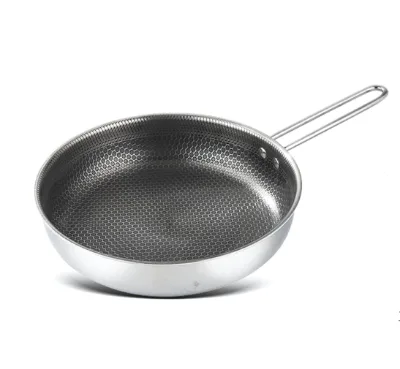
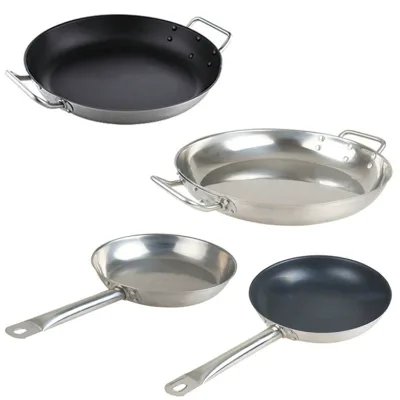

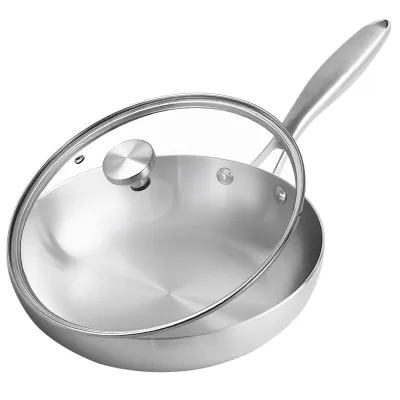

Comprehensive Sourcing Guide
Glass Cover Non Stick Frying Pan Sourcing Guide
Procuring glass cover non stick frying pans requires balancing aesthetic appeal with functional durability, as these items serve both commercial kitchens and retail consumers. Buyers must recognize that the "non-stick" attribute typically refers to the pan body, while the cover is a distinct component made of heat-resistant glass. This combination offers visual monitoring of cooking processes without releasing steam, which is critical for retaining moisture in delicate dishes. The market presents a wide variance in quality, from basic aluminum constructions to more robust stainless steel options, necessitating careful evaluation of material integrity and coating longevity.
The sourcing landscape includes diverse product types, ranging from simple skillets to complex multi-cookers, though the core keyword focuses on traditional frying pans with lids. Observed listings indicate a broad price range, reflecting differences in manufacturing complexity, material thickness, and brand positioning. Buyers should note that while some products are marketed for general kitchen use, others are specified for restaurant or buffet environments, implying higher durability requirements. Understanding these distinctions is vital for aligning procurement with specific operational needs, whether for high-volume food service or premium retail distribution.
Product Scope and Observed Listing Signals
The observed product data reveals a fragmented market with varying specifications that buyers must navigate carefully. Listings show materials ranging from aluminum to stainless steel, with dimensions and capacities differing significantly across models. For instance, some items are specified with a diameter range of 160mm to 360mm, while others have precise height and volume measurements like 1.5L capacity. These variations impact storage, stacking efficiency, and compatibility with different stove types, including gas cookers and electric stoves. Buyers must verify that the selected model matches their existing kitchen infrastructure and storage constraints to avoid operational inefficiencies.
Another critical signal is the presence or absence of specific features such as handles, covers, and timing devices. While the core keyword specifies a glass cover, some observed listings explicitly state "Without Cover" or "Without Pot Cover," indicating a potential mismatch between buyer expectations and supplier offerings. Additionally, the "Non-Stick" style is a common attribute, but the underlying material, whether aluminum or stainless steel, dictates heat distribution and durability. Buyers should scrutinize packing methods, such as export cartons or wooden cases, as these affect shipping costs and product protection during transit, especially for fragile glass components.
Technical Specifications to Verify
Verifying technical specifications is paramount to ensuring product performance and safety. Buyers must confirm the material composition of both the pan body and the glass cover, as stainless steel and aluminum offer different thermal properties and weight profiles. The thickness of the metal, observed in some listings as 0.8mm, is a key indicator of durability and heat retention; thinner materials may warp under high heat, compromising the seal with the glass cover. Additionally, the presence of a handle and its attachment method should be assessed for ergonomic comfort and heat resistance, ensuring safe handling during cooking and serving.
The coating quality and interior finish are equally important, as they directly impact the non-stick performance and ease of cleaning. Buyers should inquire about the type of coating used and whether it is PFOA-free, although specific chemical compositions are not always disclosed in standard listings. The transparency of the glass cover should be confirmed, as fogging or poor clarity can hinder the cooking process. Furthermore, compatibility with various heat sources, including induction if required, must be verified, as not all non-stick pans with glass covers are suitable for all stove types, particularly those with flat-bottomed designs.
Compliance and Safety Documentation
Compliance with international safety standards is non-negotiable for kitchenware procurement. Buyers must request certificates such as CE, which indicates conformity with health, safety, and environmental protection standards for products sold within the European Economic Area. Other relevant certifications may include FDA approval for food contact materials, ensuring that the non-stick coating and glass do not leach harmful substances into food. While some listings mention certifications like ISOSAUL or CSA, buyers should verify the validity and scope of these documents with the issuing bodies to ensure they are current and applicable to the specific product models.
Documentation should also cover material safety data sheets (MSDS) for the coatings and glass, providing detailed information on chemical composition and handling instructions. Buyers should ensure that the supplier provides test reports for thermal shock resistance of the glass cover, as sudden temperature changes can cause shattering. Additionally, compliance with labor standards, such as BSCI, may be relevant for buyers with strict corporate social responsibility policies, although this is more related to supplier ethics than product safety. Clear documentation reduces liability risks and ensures that products meet the regulatory requirements of the target market.
Cost Drivers and Commercial Terms
Cost drivers for glass cover non stick frying pans include material costs, manufacturing complexity, and packaging requirements. Stainless steel models typically command higher prices than aluminum counterparts due to material expenses and processing difficulties. The inclusion of a high-quality, heat-resistant glass cover adds to the cost, as does the ergonomic design of handles and lids. Buyers should also consider the impact of customization options, such as logo printing or custom packaging, which can increase unit prices but may enhance brand value in retail markets. Understanding these drivers helps in negotiating better terms and forecasting total landed costs accurately.
Commercial terms such as MOQ, lead times, and payment conditions significantly influence procurement strategy. Observed MOQs range from 1 to 1000 pieces, allowing flexibility for small buyers but potentially limiting economies of scale for larger orders. Lead times can vary based on production capacity and customization requirements, so buyers should establish clear timelines to avoid stockouts. Payment terms, often negotiated based on order volume and relationship history, should be structured to mitigate risk, such as using letters of credit for large orders. Clear communication of these terms ensures a smooth transaction process and aligns expectations between buyer and supplier.
Supplier Qualification and Quality Control
Supplier qualification involves assessing manufacturing capabilities, quality management systems, and past performance. Buyers should request factory audits or third-party inspection reports to verify production standards and consistency. Suppliers with ISO certifications or similar quality management systems are generally more reliable, as they have structured processes for controlling defects and ensuring product uniformity. Additionally, buyers should evaluate the supplier's ability to handle custom orders, including design modifications and packaging requirements, which are common in the kitchenware industry. A supplier's responsiveness and technical support are also key indicators of their reliability as a long-term partner.
Quality control measures should be integrated into the procurement process, starting from raw material inspection to final product testing. Buyers should define clear acceptance criteria for non-stick coating adhesion, glass cover integrity, and handle stability. Random sampling and pre-shipment inspections are essential to detect defects before goods leave the factory. Establishing a robust quality control protocol helps minimize returns and complaints, protecting the buyer's brand reputation. Collaborating with suppliers to implement continuous improvement initiatives can further enhance product quality and operational efficiency over time.
Long-Term Procurement Checks
Long-term procurement success depends on continuous monitoring of product performance and supplier reliability. Buyers should track customer feedback and return rates to identify recurring issues with non-stick coatings or glass covers. Regular quality audits and performance reviews help ensure that suppliers maintain consistent standards over time. Additionally, staying informed about industry trends and regulatory changes allows buyers to adapt their procurement strategies proactively. Building a diversified supplier base can mitigate risks associated with single-source dependencies, ensuring supply chain resilience in the face of market fluctuations or disruptions.
Sustainability and ethical sourcing are increasingly important considerations for long-term procurement. Buyers should evaluate suppliers' environmental practices, such as waste management and energy efficiency, as well as their labor standards. Certifications like BSCI can provide insights into a supplier's commitment to ethical practices. By prioritizing sustainable and ethical sourcing, buyers can enhance their brand image and meet the growing consumer demand for responsibly produced goods. Regularly reviewing and updating procurement policies ensures alignment with corporate values and market expectations, fostering a competitive advantage in the long run.
FAQs
What materials are used for the frying pans?
The frying pans are constructed from stainless steel or aluminum depending on the specific model. Some units feature a non-stick style coating while others have no interior coating. This ensures durability and suitability for kitchen or restaurant environments.
Can I find customized options for these pans?
Customization is available for certain industrial models but not for all kitchen variants. Some products are explicitly marked as non-customized while others allow for tailored specifications. Buyers should verify the customization status for each specific model number before ordering.
Which certifications do the products hold?
The products hold multiple certifications including CE, EU, ISOSAUL, CSA, and MET standards. These certifications ensure compliance with safety and quality regulations for international markets. Buyers can rely on these documented standards when selecting equipment for commercial use.
How is the product packed for shipping?
Packaging methods vary by product type and include export cartons, wooden cases, or transport by truck and sea. Specific models like the FP24 use export cartons while larger units may require wooden cases. This ensures safe delivery to global destinations from China.
What is the minimum order quantity for these items?
The minimum order quantity ranges from one unit to one thousand units depending on the specific product. Some items have an MOQ of 100 pieces while others allow for smaller trial orders. Buyers must check the specific MOQ for their selected model.
Are these pans suitable for gas cookers?
Yes, specific models are designed to be used with gas cookers and other stove types. The product list includes items compatible with gas cookers as well as all-purpose stoves. This versatility makes them suitable for various kitchen and restaurant applications.
What are the dimensions of the industrial units?
Industrial units like the LJYZG-1500 have dimensions of 1700 by 1700 by 1500 millimeters. Smaller kitchen pans have different standard dimensions such as 200 by 40 millimeters. Buyers should refer to the specific model specifications for accurate sizing details.